Exploring the Soup-Based Eating Plan: A Guide to the Rapid Soup Diet
12/27/20255 min read


Understanding the Soup-Based Eating Plan
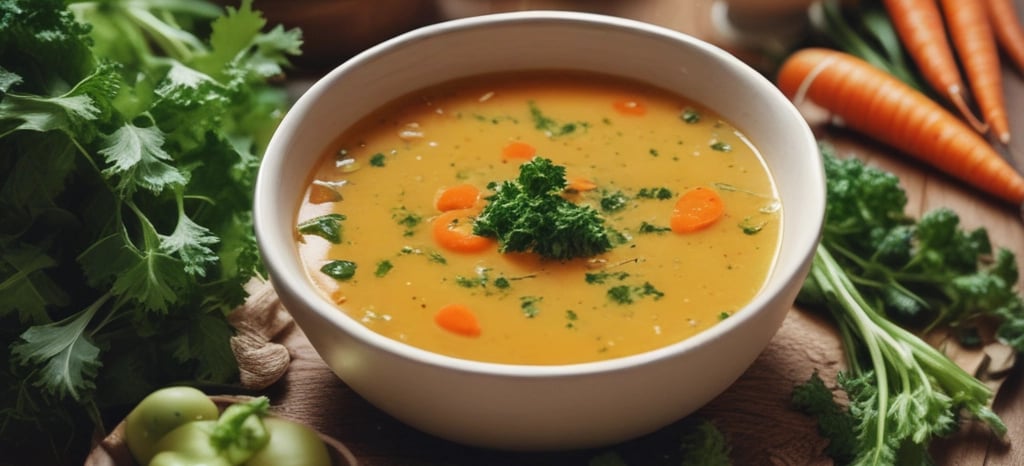
The soup-based eating plan, particularly known as the rapid soup diet, is centered on the consumption of simple yet nourishing liquid meals that primarily feature vegetable-based soups and broths. This dietary approach emphasizes the incorporation of fresh, wholesome ingredients, offering a convenient solution for those looking to expedite meal preparation while promoting healthy eating habits. The structure of this diet is designed to streamline meals, making it easier for individuals to stay on track with their nutrition goals.
At the heart of the rapid soup diet are vegetable-based soups that can be made with an array of fresh produce, herbs, and spices. These soups not only provide essential vitamins and minerals but also deliver a comforting and satisfying eating experience. The simplicity of the ingredients allows individuals to customize their meals according to personal preferences or seasonal availability, enhancing both the taste and nutritional value. Additionally, the use of broth as a staple in this eating plan ensures an ample intake of hydration, essential for overall wellness.
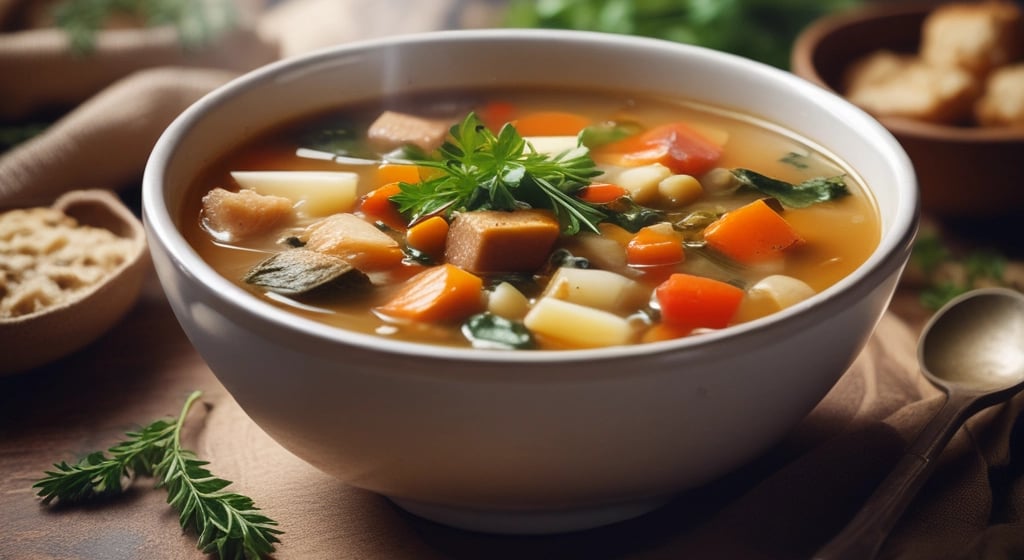
Preparation methods for soups in this diet can vary significantly, ranging from quick stovetop recipes to utilizing slow cookers or even blenders for smoother textures. This flexibility contributes to the diet's appeal, as individuals can choose methods that align with their schedules and cooking skills. Variations may include adding lean proteins such as chicken or beans for additional substance, or switching to different bases like bone broth for added flavor. Organizing meals around these soups allows for efficient meal planning, as they can be made in batches and stored for later consumption.
Overall, the rapid soup diet presents an effective dietary strategy that emphasizes convenience, health benefits, and customization, making it a suitable choice for a wide range of individuals aiming to enhance their dietary habits.
Why People Choose Soup-Based Diets
Many individuals are increasingly opting for soup-based diets as a means to enhance their health and embrace mindful eating practices. One of the primary motivations for adopting a soup-based eating plan is its alignment with whole-food principles, which prioritize the consumption of unprocessed ingredients. Soups can be made from an array of vegetables, legumes, grains, and herbs, allowing for a rich and varied palette of nutrients while minimizing the intake of artificial additives and preservatives. This focus on fresh, wholesome ingredients is seen by many as a pathway to better overall health.
Another advantage that soup-based diets offer is the ease of preparation. Many soups can be quickly assembled with minimal cooking skills required, making them accessible for busy individuals or those new to cooking. The simplicity of preparing soups can lead to increased frequency of home-cooked meals, providing both nutritional benefits and potential cost savings compared to dining out or purchasing convenience foods. Soups can also be batch-prepared and stored for later consumption, enhancing their practicality for meal planning.
Additionally, soup-based diets can promote a greater sense of mindfulness in eating. The act of enjoying a warm bowl of soup encourages slower consumption and greater awareness of flavors and textures. This mindful approach allows individuals to savor their meals, which can lead to more satisfying eating experiences and better portion control. Listeners often report feeling more in tune with hunger cues and better able to appreciate the nourishment they are providing to their bodies. Consequently, the calm and comforting experience of soup consumption may foster a deeper connection to food.
Comparing Soup-Based Diets to Other Eating Plans
The soup-based eating plan presents a unique approach to dieting, particularly when compared to other structured meal plans such as the ketogenic, paleo, and Mediterranean diets. While each of these diets offers valuable health benefits, they vary considerably in terms of flexibility, convenience, and overall lifestyle integration.
One of the defining characteristics of soup-based diets is their simplicity. Unlike the ketogenic or paleo diets, which often necessitate strict attention to macronutrient ratios and food sourcing, soup-based diets allow for greater flexibility in food choices. Soup diets can incorporate a wide array of ingredients, thus encouraging the use of seasonal or available vegetables, beans, grains, and proteins, making it relatively easier for individuals to adapt their meals based on personal preferences and availability.
In terms of convenience, soup-based diets shine through their ability to streamline meal preparation. Preparing a large batch of soup can provide multiple servings, which is a significant time-saver for individuals leading busy lives. This aspect is in contrast to meal plans that require frequent cooking and preparation, such as the Mediterranean diet, which often emphasizes fresh ingredients and may demand daily cooking. Furthermore, soups can be easily portioned and stored, making them a practical choice for meal prep enthusiasts.
Moreover, soup-based eating plans cater to various dietary needs, as they can be tailored to be vegan, vegetarian, gluten-free, or low-calorie. This adaptability makes them a viable option for those with specific restrictions, unlike some diets that might not accommodate such a broad spectrum of preferences.
Overall, while each eating plan has its merits, soup-based diets provide a flexible and convenient approach, promoting balanced nutrition without the rigidity that may accompany other structured meal plans. This makes them a compelling choice for those seeking to simplify their food choices while maintaining healthful eating habits.
Start Your Soup Journey: Learn More About Soup-Based Diet Plans
As you prepare to embark on a soup-based eating plan, it is essential to familiarize yourself with the various aspects that can enhance your experience with the Rapid Soup Diet. Engaging with soup-centered dietary resources can provide valuable insights, recipes, and tips that are integral to developing your meal plans. By exploring a wide array of soup-based diets, you can gain a deeper understanding of the nutritional benefits they offer and how to tailor them to meet your unique dietary needs.
Incorporating soups into your diet is not merely about consumption; it also opens the door to a world of culinary exploration. There are countless recipes available—ranging from hearty lentil and vegetable stews to lighter broths—that can accommodate different tastes and preferences. Websites, blogs, and online communities dedicated to soup-based meal planning can serve as fantastic platforms for discovering new ideas and exchanging tips. In these spaces, individuals share their culinary successes and challenges, creating a rich environment for learning and growth.
Furthermore, participating in discussions regarding soup-based diets fosters a sense of community among enthusiasts, ensuring you never feel alone in this journey. Many resources offer forums where individuals can ask questions, share their own experiences, and support each other as they transition to a soup-focused eating plan. Whether your goal is weight loss, improved well-being, or simply a desire to eat more nutritious meals, the possibilities are endless.
In conclusion, the journey toward integrating soups into your daily meals can be both rewarding and enjoyable. By seeking out recipes, engaging with community resources, and consistently experimenting in the kitchen, you can enrich not only your diet but your overall culinary experience.